

Written by Lauren Brallier
Article
adaptive equipment, Aging, assistive devices, Balance, durable medical equipment, fall prevention, home safety, independent living, mobility aids, post-surgical recovery
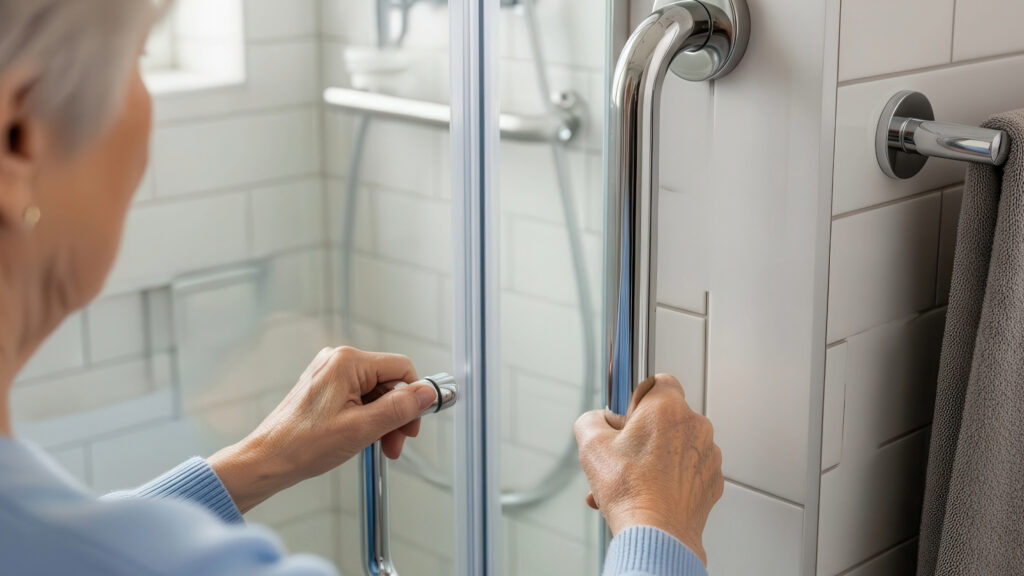 Gadgets & Gizmos: Adaptive Equipment That Helps You Stay Safe, Independent & Confident at Home
Recovering from surgery, dealing with an injury, or managing a progressive condition can make everyday activities feel surprisingly difficult. Tasks like getting dressed, stepping into the shower, or even picking something up off the floor may suddenly require extra effort — or feel unsafe altogether.
While physical therapy helps you regain strength, mobility, and confidence, the right adaptive equipment (AE) and durable medical equipment (DME) can make daily life easier right now.
The right tools can help you:
- Stay safe at home
- Reduce pain and fatigue
- Protect healing joints and surgical sites
- Maintain independence with daily activities
- Improve confidence while moving around your home
On the other hand, using the wrong equipment — or no equipment at all — can:
- Slow recovery progress
- Increase the risk of falls or re-injury
- Create unsafe movement habits
- Lead to unnecessary frustration and expense
With countless products online and social media constantly promoting the “next best thing,” it can be hard to know what’s actually helpful. After 14 years as a therapist, I’ve found that a few simple tools consistently make the biggest difference for patients trying to stay safe and independent at home.
Here are some of my favorite tried-and-true recommendations!
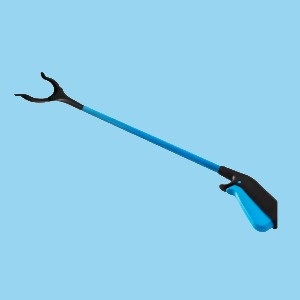 Reachers & Grabbers
Great for:
- Limiting bending and twisting
- Protecting hips and backs
- Following post-surgical precautions
- Limited mobility or balance concerns
Reachers and grabbers are one of the simplest but most useful tools you can have at home. Whether you dropped your phone, need laundry from the dryer, or want to grab something from a high shelf, these tools help reduce strain and improve safety.
PRO TIP:
Choose a durable, name-brand reacher like “Drive Medical” or “Sammons Preston.” Higher-quality reachers tend to grip better, last longer, and hold up to daily use.
Recommended Options:
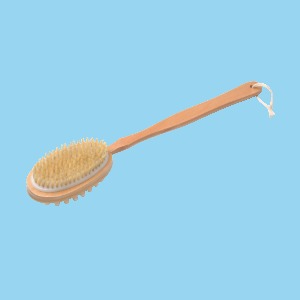 Long-Handled Sponges
Great for:
- Washing your back and feet
- Limiting twisting and bending
- Decreased shoulder mobility
- Recovering from surgery
Long-handled sponges can make bathing safer and much less frustrating, especially when flexibility is limited.
PRO TIP:
Mesh sponges work great for washing your back, while foam sponges can easily be cut into thinner strips to help clean between toes.
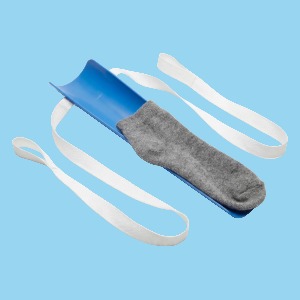 Sock Aides
Great for:
- Hip replacement recovery
- Limiting bending
- Arthritis or limited mobility
- Lower back pain
Sock aides help you put socks on independently without needing to bend forward or strain.
PRO TIP:
Choose a rigid sock aide rather than a soft version. Rigid styles hold their shape better, making it much easier to slide your foot into the sock.
Recommended Options:
 Bonus Tip: Hip Kits
Have you ever heard of a “Hip Kit”?
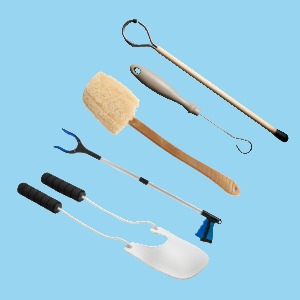
Many of the adaptive tools therapists recommend after surgery are conveniently packaged together into kits originally designed for patients recovering from total hip replacements.
Most kits include:
- A reacher
- Long-handled sponge
- Long-handled shoehorn
- Sock aide
Some also include:
- Elastic shoelaces to convert tie shoes into slip-ons
- Dressing sticks
- Extra reachers or mobility tools
The best part? They’re often more cost-effective than buying each item separately. While individual items can easily cost $15 or more each, many complete kits range from $20–$40.
PRO TIP:
Compare kit contents carefully before ordering to make sure you’re getting the tools that best match your needs and lifestyle.
Recommended Options:
 Shower Chairs vs. Tub Transfer Benches
Bathroom safety is one of the most important parts of maintaining independence at home. Wet floors, slippery surfaces, dizziness, and fatigue can all increase fall risk.
Shower Chairs
Great for:
- Energy conservation
- Decreased balance
- Fatigue or dizziness
- Safer bathing
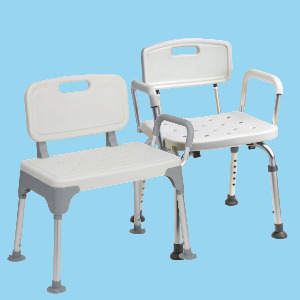
Shower chairs sit completely inside the tub or shower and allow you to bathe while seated.
PRO TIP:
Before ordering online, measure your tub or shower space carefully — especially near the floor where tubs curve inward. Adjustable-height chairs with backs and removable armrests are often the most versatile and comfortable.
Recommended Option:
Tub Transfer Benches
Great for:
Difficulty stepping over the tub wall
Balance concerns
Post-surgical recovery
Increased fall risk
Tub transfer benches extend partially outside the tub, allowing you to sit down first and then safely slide into the shower area instead of stepping over the tub edge.
This can significantly reduce fall risk and improve confidence during transfers.
PRO TIP #1:
Most benches have reversible backrests and adjustable legs to fit different bathroom setups.
PRO TIP #2:
To prevent water from leaking around the bench, consider modifying a cheap shower liner by cutting two small vertical slits (“doggy door style”) so the liner can tuck around the bench more securely.
Recommended Option:
 Grab Bars: One of the Best Safety Investments
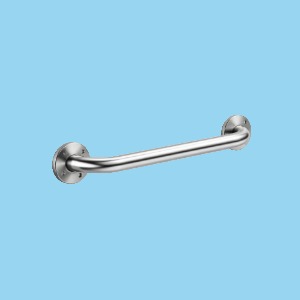
Grab bars aren’t just for bathrooms! They can also provide support near garage entrances, steps, or other areas where balance may be challenging.
PRO TIP #1:
Vertical grab bars are especially helpful near shower entrances or single steps because they provide better leverage when stepping up or down.
PRO TIP #2:
Inside the shower, a second horizontal or diagonal grab bar can improve balance and assist with sit-to-stand movements.
PRO TIP #3:
If you rent your home or cannot drill into walls, clamp-style tub grab bars are a great alternative.
Skip the suction cup grab bars — they simply aren’t as reliable for long-term safety.
Recommended Option:
Additional Home Safety Recommendations
Remove Loose Rugs
Loose throw rugs are one of the most common household fall hazards. They can catch toes, slide unexpectedly, or get tangled with walkers and canes.
PRO TIP:
If you absolutely love your rugs, invest in high-quality rug tape or non-slip backing. If in doubt — remove it!
Add Night Lights
Poor lighting can make it harder to see obstacles and safely navigate hallways, especially during nighttime bathroom trips.
PRO TIP:
Motion-activated night lights are a great option for people who are sensitive to light while sleeping.
Use a Handheld Shower Head
Handheld shower heads pair perfectly with shower chairs and tub benches, making bathing safer and easier while seated.
PRO TIP:
Suction shower head holders can reposition the water flow closer to your chair for added convenience.
Final Thoughts
Sometimes the smallest tools can make the biggest difference.
The right adaptive equipment can help you stay safer, conserve energy, reduce pain, and maintain independence while recovering from surgery, managing mobility changes, or simply aging in place comfortably at home.
If you’re unsure what equipment may be best for your needs, one of physical therapists can help guide you toward safe, practical solutions that fit both your lifestyle and home setup.
At the end of the day, our goal is simple: helping you stay confident, comfortable, and independent where you most want to be — HOME.