
Written by MacKenzi Myers, DPT
Article
Astym therapy, Injury Treatments, soft tissue injury
 What is Astym therapy?
Still dealing with pain months after an injury or surgery? You’re not alone — and there may be a solution you haven’t tried yet. Astym therapy is a specialized treatment designed for soft tissue injuries involving muscles, tendons, and ligaments. Whether you have tendonitis, post-surgical stiffness, or lingering discomfort from an old injury, Astym therapy may be able to help. It can even be implemented years after an injury or surgical procedure to assist with reducing scar tissue. Regardless of your activity level, Astym therapy is a safe and effective treatment option — even when other methods have failed.¹
How does Astym therapy work?
Astym certified therapists use several hand-held instruments created to stimulate healing through your body’s own restoring mechanism. Unlike other types of massage that may only have a temporary effect, Astym therapy is designed to cause a lasting change in soft tissue to reduce pain and increase movement.² Astym therapy targets dysfunctional soft tissue and stimulates healing by improving your body’s ability to heal affected areas.² While scar tissue is a normal part of healing, sometimes after an injury or surgery, your body may lay down excess scar tissue, which can cause pain and stiffness. Astym therapy tools are specifically designed to locate those areas of scar tissue and activate healing cells to remove the excess and restore healthy tissue.¹ The result: a reduction in pain and an improvement in your mobility and function.
What are Astym therapy instruments?
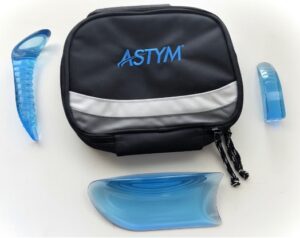 Astym therapy instruments are FDA registered medical devices, and physical therapists using these tools have specialized training in the instruments. Astym therapy instruments are different from IASTM (instrument assisted soft tissue mobilization) instruments, which are often stainless steel. Many people report Astym instruments to be more comfortable during use, and they are backed by research.
What to expect during treatment?
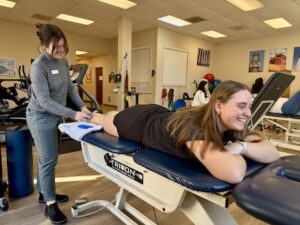
Your physical therapist will place you in a comfortable position and apply lotion to the area being treated to assist with gliding of the instruments. Then, your physical therapist will glide the instruments over the muscles and tendons around the affected area, assessing the tissue to find the areas of dysfunction that need to be addressed. Use of the Astym tools typically takes 10–20 minutes depending on the body region. Astym treatment is recommended 2x/week for several weeks depending on your condition. Treatment is always followed up with exercise to allow for lasting changes in the muscles being treated. Many patients feel an immediate improvement in symptoms following treatment, although it typically takes about 4 weeks to achieve the maximum benefit.
Why choose a physical therapist who is Astym certified?
Not all soft tissue tools are the same — and neither is the training behind them. Astym certification requires therapists to complete specialized coursework and hands-on training to ensure they are applying the instruments correctly, safely, and effectively. Certified therapists understand the specific protocols designed to maximize results while minimizing discomfort. Choosing an Astym certified provider means you are receiving treatment that is grounded in research and delivered with the expertise to back it up. Consider seeking out an Astym certified therapist if:
- Improvement with other treatments following sports injuries, surgery, or other muscle or tendon injuries has not been satisfactory.
- You feel restricted with movements due to stiffness or tightness.
Who is a candidate for Astym therapy?
You may be a candidate for Astym therapy if you have any of the following:
- Stiffness after surgery
- Plantar fasciitis
- Carpal tunnel syndrome
- Trochanteric bursitis
- ITB syndrome
- Hamstring strain
- Patellar tendonitis
- Achilles tendonitis
- Tennis elbow
- Golfer’s elbow
- Jumper’s knee
- Biceps tendonitis
- Ankle sprain
Many other injuries may benefit from treatment, but these are the most common.
Who is not appropriate for Astym therapy?
You may not be appropriate for Astym therapy if you have any of the following:
- Blood clotting disorders
- Active cancer
- An open wound or an active infection
- Fragile skin
These are not all inclusive and your provider must make the decision if you are appropriate for the treatment.
Frequently Asked Questions:
- Is Astym therapy covered by insurance?
If your insurance covers physical therapy, Astym therapy is included as part of your physical therapy session and is not an additional cost. - Is Astym therapy uncomfortable?
Astym therapy should always be tolerable. Astym protocols use a specific speed and pressure to maximize comfort during treatment. Many people find immediate improvement in symptoms directly after treatment as well. - What do I have to do after Astym treatment?
You don’t have to modify anything in your daily routine, but completing the individualized exercises your physical therapist provides is crucial after treatment to allow proper healing of the tissue.
Conclusion
If you’ve struggled to find relief from a musculoskeletal condition, Astym therapy offers a research-backed path forward — one designed to address the root cause of your pain and help restore lasting function. If you are interested in learning more, reach out to Hartz Physical Therapy to schedule a consult with an Astym certified physical therapist and find out if this treatment is right for you.
References
Chughtai M, Newman JM, Sultan AA, et al. Astym® therapy: a systematic review. Ann Transl Med. 2019;7(4):70. doi:10.21037/atm.2018.11.49
Astym. Astym therapy. Accessed March 29, 2026. https://astym.com/