Written by Emily Beck, OTR/L
Article
cognitive support, mobility, neuro, Neurological, Occupational Therapy
 The holidays are a time for connection, tradition, and togetherness, but for some, they can also bring extra challenges. Crowded spaces, bright lights, busy travel plans, and physical barriers can make it harder for older adults or individuals with sensory or mobility needs to fully participate and feel included.
As an occupational therapist (OT), I often remind families that meaningful participation, not perfection, is what truly matters. With a few thoughtful, easy, adjustments, you can make your holiday gatherings more inclusive, comfortable, and joyful for everyone.
Creating a Sensory-Friendly Environment
Holiday environments can easily become overstimulating with extra lights, music, and activity. Consider these strategies to create a more welcoming and supportive space for all:

- Choose soft, steady lighting instead of flashing or colored lights.
- Keep music at a gentle volume , and avoid multiple sources of sound competing.
- Provide a quiet room or calm corner where anyone can step away and regroup.
- Limit strong scents from candles or cooking if someone is sensitive to smell.
- Simplify decorations, reducing clutter also helps with navigation and focus.
A few mindful adjustments can go a long way in creating a relaxing, inclusive atmosphere.
Consider Low Vision Needs
For guests with vision changes, contrast and lighting are key.

- Use high-contrast table settings (dark tablecloth with white dishes, for example).
- Add task lighting in dim areas like buffets or hallways.
- Label food and gifts with large-print or tactile tags .
- Keep walkways clear and well-lit , and avoid moving furniture that people are used to navigating around.
Small environmental changes can help maintain independence and safety during the celebration.
Plan for Mobility and Accessibility
Mobility challenges are common, especially for guests who use walkers, wheelchairs, or canes, etc.

- Clear pathways and remove area rugs that could be tripping hazards.
- Provide sturdy chairs with arms to assist with sit-to-stand transitions.
- Be mindful of oxygen tubing or mobility devices when planning seating and décor.
- Portable ramps or non-slip mats can make entryways safer and more welcoming.
A bit of planning can ensure everyone moves freely and comfortably in your space.
Promote Energy Conservation and Pacing
Holiday activities can be tiring, for both guests and hosts! Encourage rest breaks and pacing throughout the day if able.
- Host shorter events or spread festivities over multiple days.
- Share meal prep and cleanup tasks.
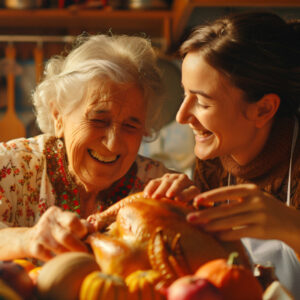
- Offer seated activities like crafts, baking prep, or ornament decorating.
Remember, it’s okay to simplify traditions to make them more enjoyable for everyone involved.
Support Cognitive and Emotional Well-Being
For individuals with various neurologic conditions, the holidays can possibly be both comforting and confusing.

- Maintain routines and use visual cues (like name cards or labeled dishes) to reduce confusion.
- Include familiar music or traditions to spark positive memories.
- Be patient with communication and processing time and limit how many people are speaking at once if able.
- Encourage participation in ways that feel meaningful, even small roles like stirring batter or handing out napkins can boost confidence and joy. Inclusive Gift Ideas When choosing gifts, think about what will promote independence and engagement
Inclusive Gift Ideas
When choosing gifts, think about what will promote independence and engagement:

- Adaptive kitchen tools, non-slip cutting boards, or ergonomic utensils.
- Large-print books, audiobooks, or puzzles with bigger pieces.
- Cozy lap blankets or sensory-friendly items like weighted throws.
- Experiences, a lunch out, a themed dinner at home, or a family game night, etc can be the best gifts of all.
An OT’s Closing Thought
Occupational therapy is all about helping people do the things that matter most to them. The holidays are a perfect opportunity to think like an OT, to make spaces that are safe, inclusive, and meaningful.
Accessibility isn’t just about safety; it’s about belonging . When we create environments that welcome everyone, no matter their age or ability, we give the greatest gift of all… connection! Need help? Please call me directly at 717.735.8880 or email me at ebeck@hartzpt.com.