

Written by Bernadette Sheaffer, PTA
Article
Aging, bone health, Exercise, Health & Wellness, osteoarthritis, Osteoporosis
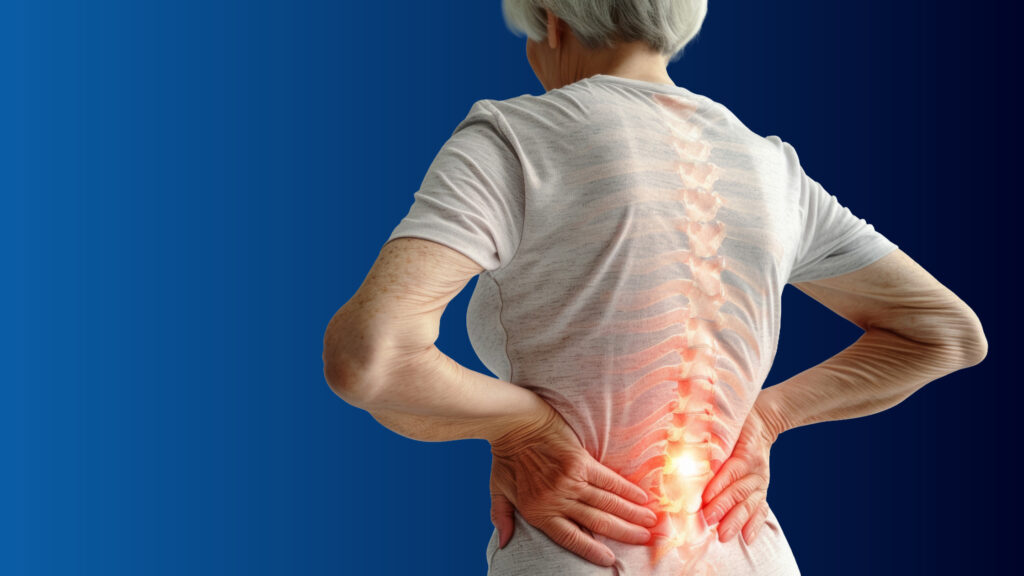 Imagine reaching down to pick up a bag of groceries or simply getting out of bed in the morning — movements most of us do without a second thought. For the more than 10 million Americans living with osteoporosis, these everyday actions can carry a real risk of fracture. The good news is that with a few simple adjustments to how you move, you can protect your bones and stay independent, active, and confident.
Because osteoporosis weakens and makes bones more fragile, certain movements — like bending, lifting, or twisting — can put unnecessary stress on the spine and increase fracture risk. Learning safe movement patterns, also known as proper body mechanics, can make a meaningful difference. Here are some of the most common daily activities — also called Activities of Daily Living — and how to perform them safely.

Sitting (reading, tying shoes, watching TV)
- When sitting in a chair, keep your hips and knees at the same level with a natural inward curve in your lower back and a tall, upright upper back.
- When tying your shoes or drying your feet, place one foot on a footstool, box, or your opposite leg. Hinge forward at the hips rather than rounding through your spine.
- When reading, avoid leaning or slumping. Instead, prop your reading material on a desk, table, or pillows in your lap to bring it up to you.
 Brushing Your Teeth
- Keep your spine lengthened and straight with your chest lifted and knees slightly bent.
- Rest your knees lightly against the cabinet to brace your body.
- Hinge at the hips to lean toward the sink rather than rounding your back.
 Lifting
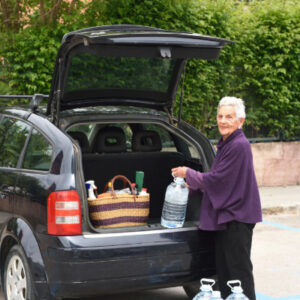
Groceries from the car:
- Keep your spine lengthened and straight, chest lifted, and knees bent. Rest your knees against the bumper to brace your body.
- Hinge at the hips rather than rounding your back to reach into the trunk.
- Lift one bag at a time, keep your shoulders back and core braced, and hold the bag close to your body.
- Make sure your pathway is clear before walking.
General lifting (laundry basket, small pet, etc.):
- Stand with your feet slightly wider than your hips and bend your knees, keeping them in line with your middle toes as you squat.
- Hinge at the hips with your chest lifted and shoulder blades back and down.
- Bring the object as close to your body as possible as you lift.
 Washing the Dishes
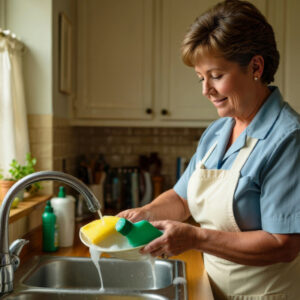
- Keep your spine lengthened and straight with your chest lifted.
- Prop one foot on the shelf under the sink to reduce lower back strain.
- Hinge at the hips rather than rounding your back to lean toward the sink.
 Getting Into and Out of Bed: The Log Roll Method
The log roll is the safest way to get in and out of bed when you have osteoporosis, because it keeps your spine aligned and avoids twisting.
- Bend your knees: While lying on your back, gently bend both knees so your feet are flat on the mattress.
- Roll as one unit: Roll onto your side, moving your shoulders, hips, and knees all at the same time. Do not let your upper body twist away from your lower body.
- Move your feet to the edge: Once on your side, shift your feet toward the edge of the bed.
- Push up to sitting: Simultaneously use your bottom elbow and top hand to push your upper body up while letting your legs drop slowly off the side of the bed. Think of it like a seesaw — as your legs go down, your head comes up.
- Sit tall and pause: Take a moment to make sure you aren’t dizzy. Keep your back straight before standing.
Putting It All Together
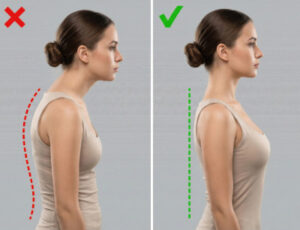
These movement patterns may feel unfamiliar at first, but with practice they will become second nature. The two principles that tie all of these tips together are a neutral spine and a hip hinge — protecting your back by moving from the hips rather than rounding through the spine. By keeping these in mind throughout your day, you are actively reducing your risk of fractures and protecting your long-term bone health.
Osteoporosis doesn’t have to slow you down — it simply asks you to move with a bit more intention. Stay active, stay mindful, and keep moving with confidence!
References
National Osteoporosis Foundation. Osteoporosis Exercise for Strong Bones. https://www.nof.org/patients/treatment/exercisesafe-movement/
American Physical Therapy Association. Physical Therapy Guide to Osteoporosis. https://www.choosept.com/guide/physical-therapy-guide-osteoporosis