

Written by Niki Hunt
Article
Aging, Health & Wellness, stiffness
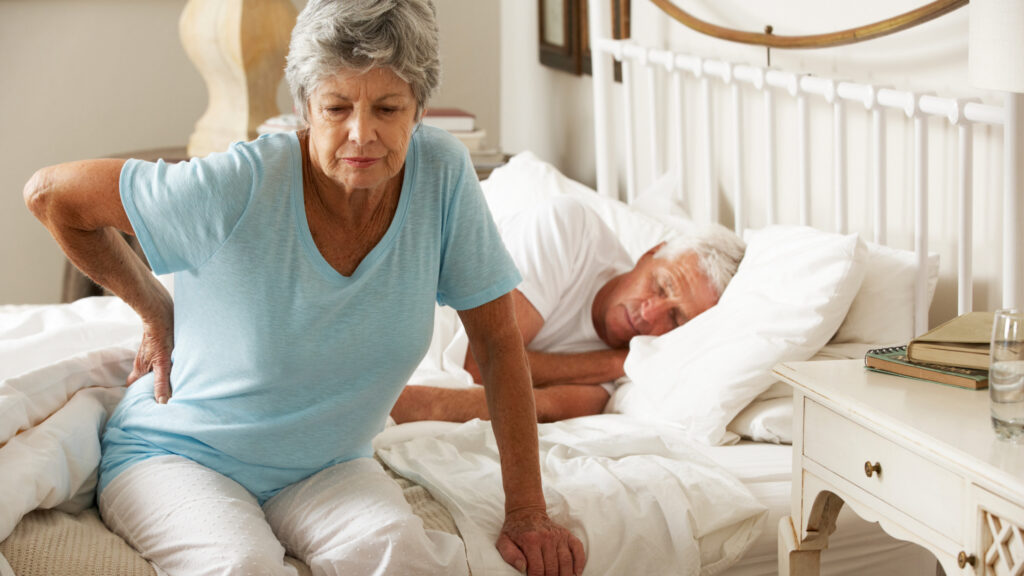 Many people in Lancaster County wake up feeling stiff — whether it’s that familiar tightness when getting out of bed in the morning, the achiness after a long day at a desk, or the struggle to move the way they used to. And most of them assume it’s just part of getting older.
It’s not.
While aging does bring natural changes to muscles, joints, and connective tissue, persistent stiffness is rarely something you simply have to live with. In most cases, it’s a signal that your body needs more movement, strength, and targeted mobility work — and that’s exactly what physical therapy is designed to address.
At Hartz Physical Therapy, we work with patients across Lancaster County — including Lancaster City, Lititz, Ephrata, Manheim, and Mount Joy — who come to us frustrated by stiffness that has started limiting their daily life. The good news is that with the right approach, significant improvement is possible at any age.
Why Do We Feel Stiffer as We Age?
Understanding the root causes of stiffness is the first step toward addressing it. Several natural changes occur in the body over time that contribute to that “tight” or “locked up” feeling.
Muscle Loss (Sarcopenia) Starting around age 30, we gradually lose muscle mass — a process called sarcopenia. Muscle plays a critical role in supporting and stabilizing joints. When muscle strength decreases, joints feel less stable, less supported, and more restricted in how they move.
Changes to Connective Tissue Tendons, ligaments, and fascia naturally become less elastic with age, particularly when they are not regularly moved through a full range of motion. This contributes to that tight, restricted feeling many Lancaster County residents notice in their hips, lower back, and shoulders.
Reduced Synovial Fluid Production Joints rely on synovial fluid — a natural lubricant — to move smoothly. Prolonged inactivity reduces circulation to joint spaces and decreases the production of this fluid. Think of it like a door hinge that hasn’t been oiled in a while.
Sedentary Lifestyle Habits Long hours sitting at a desk, in a car, or on the couch are a major contributor to stiffness at every age. Many adults in our area spend the majority of their waking hours in relatively fixed positions — and the body adapts to those positions over time.
The important takeaway: stiffness is often far more related to reduced movement and muscle weakness than to age itself. That means it can be treated.
Movement Is One of the Best Medicines
One of the most effective — and accessible — tools for fighting stiffness is regular movement. Movement improves circulation, stimulates synovial fluid production, and keeps muscles and connective tissue flexible and responsive.
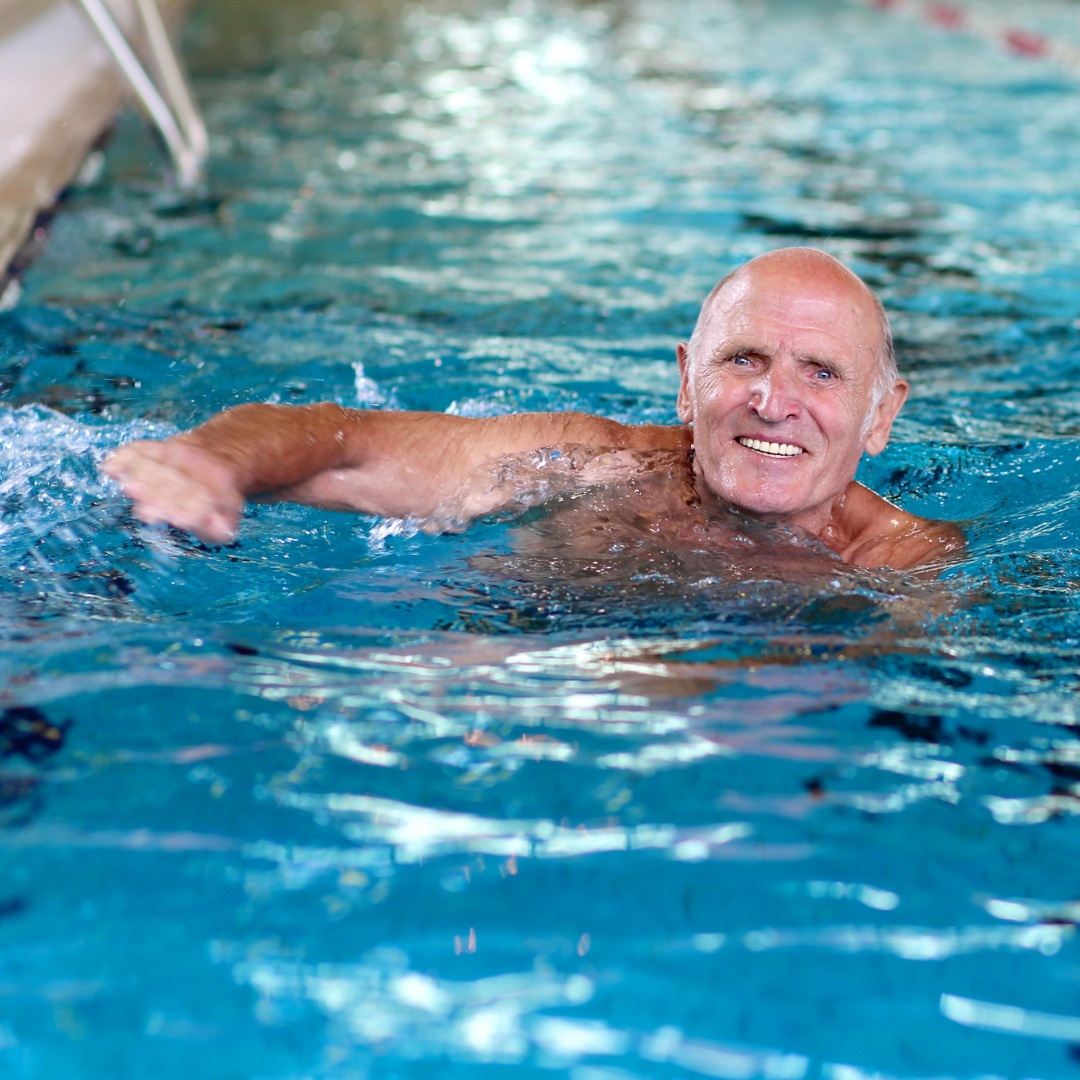
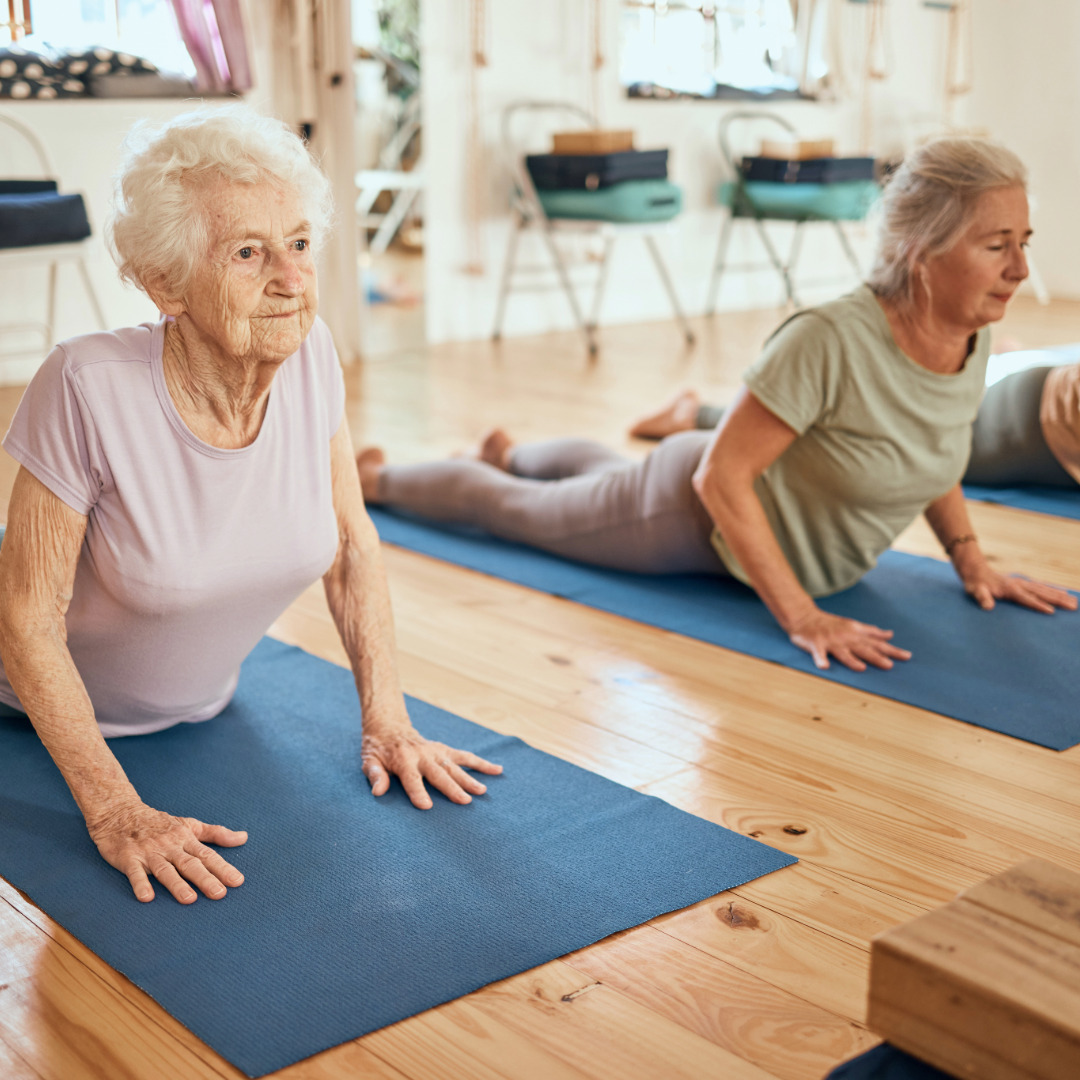
Low-impact activities are especially helpful for maintaining mobility as we age without putting excessive stress on joints. Walking the trails at Conestoga Greenway Trail , hiking at Chickies Rock, cycling along Lancaster County’s scenic backroads, swimming at a local recreation center, or joining a gentle yoga class can all support joint health while being enjoyable and sustainable long-term.
Even short bursts of movement throughout the day can make a meaningful difference. A five-minute walk between tasks, a brief stretching session before lunch, or a simple mobility routine in the morning can reduce the cumulative stiffness that builds up from hours of sitting.

Why Strength Training Is Essential — Not Optional
Many people think flexibility is all about stretching. In reality, strength is equally important — and often more so.
Strong muscles support and stabilize joints, allowing them to move more efficiently and with less strain. Weakness in key muscle groups, particularly around the hips, core, and knees, is one of the most common underlying causes of stiffness we see at our Lancaster County clinics.
Strength training also improves balance, reduces fall risk, and supports bone density — all of which become increasingly important as we age. Exercises like bodyweight squats, resistance band work, and light weight training are excellent starting points.
If you’re not sure where to start — or if you have an existing condition that makes you uncertain about what’s safe — a physical therapist can design a strength program tailored specifically to your body and your goals.
Mobility Training vs. Aggressive Stretching: What Actually Works
When people feel stiff, their instinct is often to stretch harder and longer. However, passive stretching alone is rarely the most effective solution for lasting improvement.
The most evidence-based approach to improving joint mobility involves controlled, active movement through a full range of motion. These movements — called mobility exercises — encourage joints to move dynamically and safely in all directions, improving the coordination between muscles, tendons, and connective tissue.
Examples that our physical therapists commonly incorporate include:
- Hip mobility drills for people with tight hips from sitting
- Thoracic spine rotations for mid-back stiffness and shoulder restriction
- Shoulder circles and controlled reach patterns for overhead movement
- Ankle mobility exercises for those with lower leg tightness or balance concerns
These aren’t complicated movements, but performing them correctly and consistently — especially with the guidance of a licensed physical therapist — makes a significant difference in outcomes.
How Physical Therapy Treats Stiffness at the Root Cause
If stiffness is persistent, worsening, or beginning to interfere with your daily activities, a physical therapy evaluation can help identify exactly what’s driving it — and create a plan to address it directly.
At any of our six Hartz Physical Therapy locations in Lancaster County, a licensed physical therapist will assess:
- Joint mobility — how freely and fully each joint is moving
- Muscle strength and balance — identifying specific weaknesses contributing to restriction
- Movement patterns — spotting compensations that may be making things worse over time
- Posture and alignment — evaluating how your daily posture affects joint health
- Areas of restriction — pinpointing the tissues most in need of attention
From there, a personalized treatment plan is developed — one that addresses your specific situation rather than a generic set of exercises. Treatment at Hartz Physical Therapy may include guided therapeutic exercise, hands-on manual therapy, targeted mobility training, and practical guidance on posture and daily movement habits.
We don’t treat symptoms in isolation. We look for the reason stiffness is happening and address it at the source.
Small Daily Habits That Add Up Over Time
Improving mobility doesn’t require a dramatic overhaul of your lifestyle. Consistent, small habits practiced daily are far more effective than occasional intense efforts.
Habits that our Lancaster County patients find most helpful include:
- Taking a short walk every morning — even 10 to 15 minutes makes a measurable difference in joint lubrication and circulation
- Setting a movement reminder — getting up from your desk or couch every 45 to 60 minutes to move for a few minutes
- Doing a brief daily mobility routine — five to ten minutes of targeted joint movement in the morning or evening
- Strength training two to three times per week — even light resistance work has significant long-term benefits for joint health
- Prioritizing quality sleep — recovery is when the body repairs and adapts
Consistency is the variable that matters most. A modest routine done daily will outperform an ambitious routine done sporadically every time.
Ready to Move Better? Hartz Physical Therapy Is Here to Help.
Stiffness doesn’t have to be your new normal. Whether you’re dealing with morning tightness, hip restriction, back stiffness, or general mobility decline, our physical therapists across Lancaster County are ready to help you understand what’s going on and build a plan to get you moving better.
Hartz Physical Therapy has six locations throughout Lancaster County, PA. Scheduling an evaluation is simple — and you don’t need a physician’s referral with PA’s Direct Access. It could be the first step toward feeling more comfortable, capable, and confident in your body again.